A polypore mushroom is a type of fungi that belongs to the Polyporaceae family. It is characterized by its bracket-like fruiting body, which typically grows on the sides of trees. One fascinating species of polypore mushroom is Berkeley’s polypore, scientifically known as Bondarzewia berkeleyi. This mushroom is named after the renowned botanist Miles Joseph Berkeley, who made significant contributions to the study of plant pathology.
Young Berkeley’s Polypore Mushroom
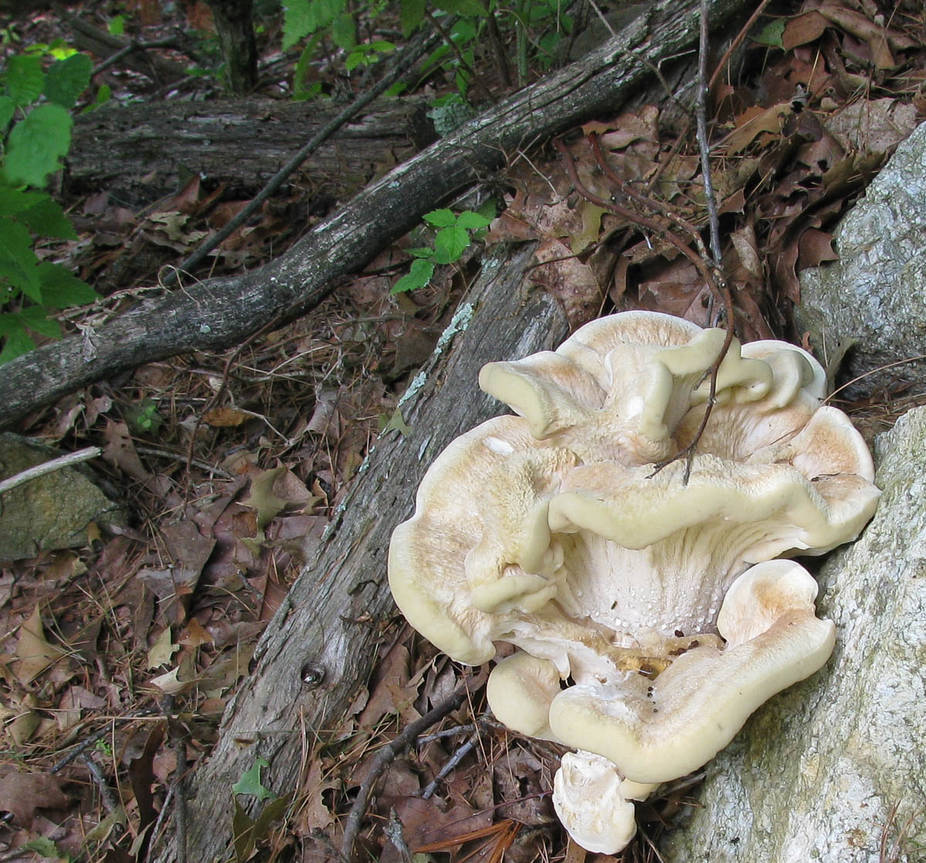
As can be seen from the image above, the young Berkeley’s polypore mushroom has a distinct appearance. It has a pale brown to white color, with a smooth and shiny texture on the upper surface of the cap. The caps of these mushrooms can reach sizes of up to 6 inches in diameter. Over time, the color may darken, and the texture becomes rough.
Is Berkeley’s Polypore Edible?
While some polypore mushrooms are edible and highly sought after for culinary purposes, Berkeley’s polypore is generally not considered as a choice for consumption. It is classified as inedible due to its tough and woody texture, as well as its bitter taste. However, it is important to note that there are always exceptions to this general rule.

Recipe: Berkeley’s Polypore Mushroom Extract
Ingredients:
- 1 cup dried Berkeley’s polypore mushroom slices
- 4 cups water
Instructions:
- In a pot, bring the water to a boil.
- Add the dried Berkeley’s polypore mushroom slices to the pot.
- Reduce the heat to low and simmer for 1 hour.
- Remove the pot from the heat and let it cool.
- Strain the liquid using a cheesecloth or a fine-mesh strainer.
- The resulting liquid is the Berkeley’s polypore mushroom extract, which can be used in various ways.
How to Prepare Berkeley’s Polypore Mushroom Extract
To prepare Berkeley’s polypore mushroom extract, follow the recipe mentioned above. This extract can be consumed as a tea or used as an ingredient in soups, stews, and sauces. It is known for its earthy and slightly bitter flavor, which adds depth to dishes. The extract can also be used topically for its potential health benefits.
Preparation Time: 1 hour 15 minutes
Berkeley’s polypore mushroom extract is believed to possess several medicinal properties, including immune-boosting, antioxidant, and anti-inflammatory effects. However, it is important to consult a healthcare professional before using any herbal supplements or extracts for therapeutic purposes.
While Berkeley’s polypore mushroom may not be suitable for consumption, it is still an interesting and beautiful species to observe in nature. Its unique appearance and ecological role make it a subject of fascination for mycologists and mushroom enthusiasts alike. Remember to always exercise caution and proper identification when foraging for mushrooms in the wild.
For more information and resources on mushrooms and mycology, please visit websites such as Mushroom Appreciation and The Foraging Family.
Tips:
- Do not consume wild mushrooms without proper identification and expert guidance.
- Store dried Berkeley’s polypore mushrooms in an airtight container in a cool, dry place.
- Always follow safe foraging practices and respect the environment.
FAQs:
Q: Can Berkeley’s polypore mushrooms be found outside of Berkeley?
A: Yes, Berkeley’s polypore mushrooms can be found in various locations across North America, including forests and woodlands.
Q: Can you eat Berkeley’s polypore mushrooms raw?
A: It is generally not recommended to eat Berkeley’s polypore mushrooms raw due to their tough texture and bitter taste.
Q: Are there any toxic look-alike mushrooms to Berkeley’s polypore?
A: While there may be fungi that resemble Berkeley’s polypore, it is essential to consult an expert for proper identification and avoid consuming any wild mushrooms without certainty.
Q: Can Berkeley’s polypore mushrooms be used for medicinal purposes?
A: Berkeley’s polypore mushrooms are believed to possess potential health benefits but should be used under the guidance of a healthcare professional.
Q: How can I preserve Berkeley’s polypore mushrooms?
A: You can dry Berkeley’s polypore mushrooms by slicing them and drying them in a dehydrator or an oven at a low temperature. Store the dried mushrooms in an airtight container.
Through proper education and responsible practices, we can appreciate and enjoy the diversity of mushrooms without compromising our health and the environment.
