Maror for the Passover Seder Plate

Maror is one of the essential components of the Passover Seder plate. It represents the bitterness and hardships that the Jewish people faced during their enslavement in Egypt. The word “maror” itself means “bitter” in Hebrew, which perfectly describes the taste and symbolic nature of this herb.
To prepare maror, traditionally, one uses a bitter herb such as horseradish or romaine lettuce. The herb is eaten in conjunction with matzo, the unleavened bread that symbolizes the haste in which the Jewish people left Egypt. Combining the bitterness of the herb with the crisp texture of the matzo creates a unique and meaningful culinary experience.
Bitter Herbs for Digestive Health and More
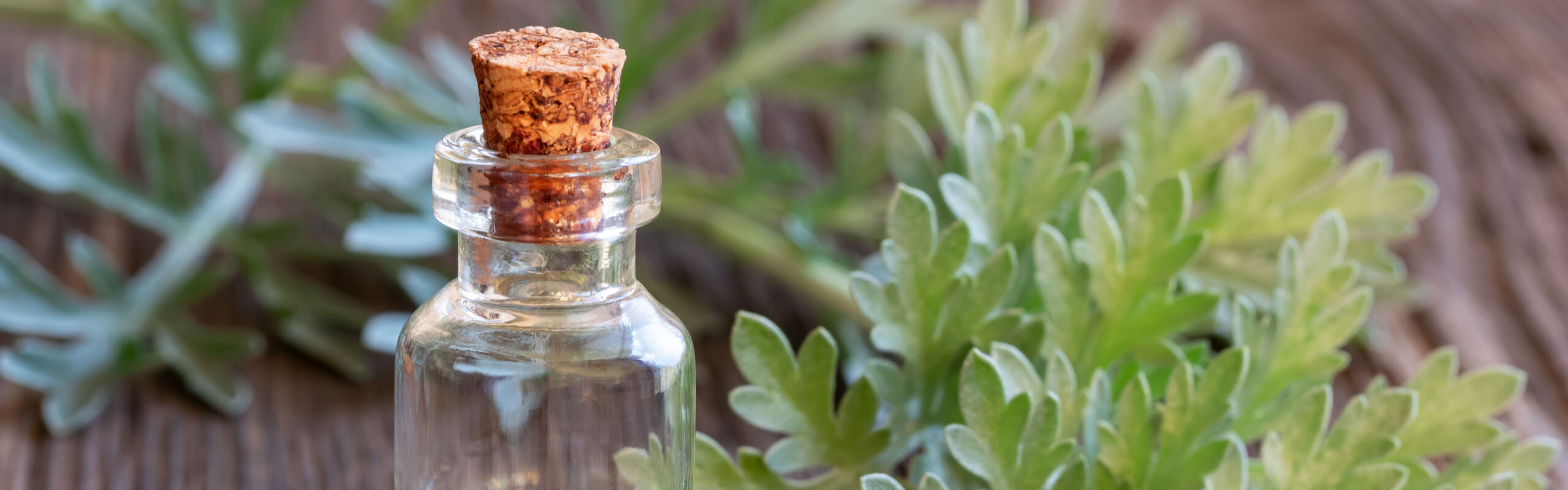
Bitter herbs go beyond their symbolism in the Passover Seder and offer a range of health benefits. These herbs have been used for centuries to aid digestion, improve liver function, and promote overall well-being. The bitter taste of these herbs stimulates the production of digestive enzymes, promoting better digestion and nutrient absorption.
Some commonly used bitter herbs include dandelion, chamomile, gentian, and artichoke. These herbs can be consumed as teas, tinctures, or incorporated into various recipes to enhance their flavors and therapeutic benefits. Bitter herbs are known to stimulate the production of bile, which helps break down fats and aids in the digestion of heavy meals.
Bitter Lettuce and Herb Salad with Horseradish

For those looking to incorporate bitter herbs into their diet, a refreshing bitter lettuce and herb salad with horseradish is a perfect choice. This salad combines the bitterness of lettuce and various herbs with the kick of horseradish for a truly unique and flavorful experience.
To prepare this salad, start by washing and drying a combination of bitter lettuces such as arugula, radicchio, and endive. Add in an assortment of fresh herbs like cilantro, parsley, and dill to enhance the flavor profile. Top the salad with freshly grated horseradish for an added spicy kick.
5 Reasons To Eat and Drink Bitters

Incorporating bitters into your diet can provide numerous benefits for your overall health and well-being. Here are five reasons why you should consider adding bitters to your daily routine:
1. Digestive Health: Bitters stimulate the production of digestive enzymes, promoting better digestion and nutrient absorption.
2. Liver Support: Bitter herbs are known to support liver function and aid in the detoxification process.
3. Blood Sugar Balance: Bitters can help regulate blood sugar levels and reduce cravings for sweet foods.
4. Appetite Control: Adding bitters to your meals can help promote a feeling of fullness and reduce overeating.
5. Immune Support: Bitters have antimicrobial properties and can help strengthen the immune system.
Our Passover 2017

Every Passover, families gather together to celebrate and remember the story of the Jewish people’s liberation from slavery. Bitter herbs are a central part of the Passover feast, reminding us of the bitterness and hardships our ancestors endured.
During our Passover celebration in 2017, we made sure to include maror on our Seder plate and incorporated bitter herbs into our meals. From the bitter lettuce and herb salad to the flavorful horseradish, each bite reminded us of the resilience and determination of our ancestors.
Bitter Herbs Salad Recipe - NYT Cooking

If you’re looking to try a delicious bitter herbs salad recipe, look no further than the New York Times Cooking website. Their recipe combines a variety of bitter lettuce, herbs, and a tangy dressing for a refreshing and nutritious salad option.
To prepare the salad, start by washing and drying a combination of bitter lettuces such as frisée and radicchio. Toss in a medley of fresh herbs like parsley, cilantro, and dill. Dress the salad with a simple vinaigrette made from olive oil, lemon juice, and a touch of honey.
Enjoy the combination of flavors and textures as you take a bite of the bitter lettuce, fragrant herbs, and zesty dressing. This salad is not only a feast for the taste buds but also a celebration of the symbolism and tradition associated with bitter herbs.
Whether you’re preparing for a Passover Seder or simply looking to incorporate more bitter herbs into your diet, these recipes and ideas provide a delicious and meaningful way to enjoy the unique flavors and health benefits of bitter herbs.
So why not embrace the bitterness and add a touch of richness to your meals with these incredible bitter herbs?
